
Hale O Lono Heiau, Oahu
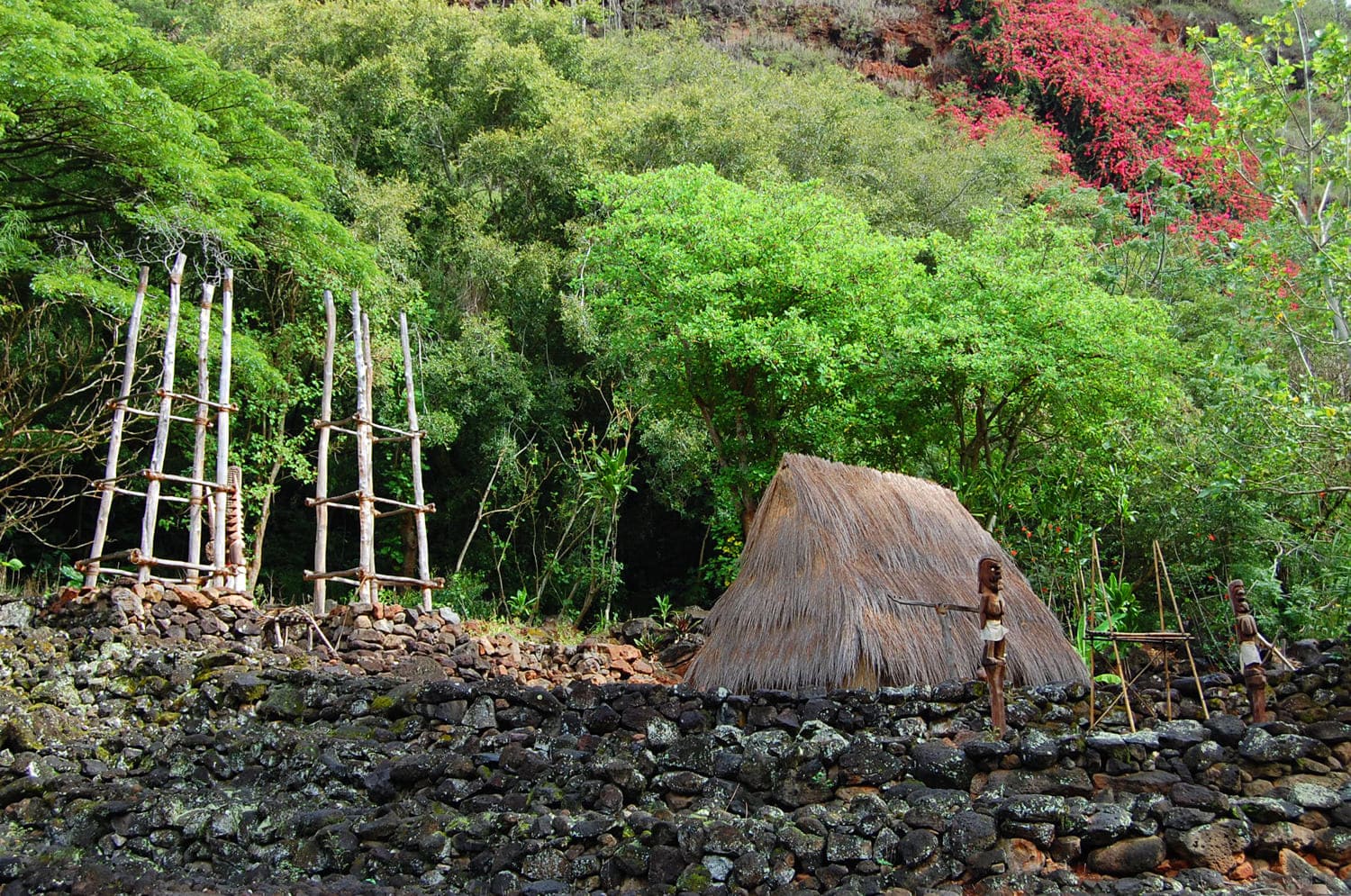
Located in Waimea Valley on Oahu’s North Shore, the Hale o Lono Heiau is dedicated to Lono, the God of agriculture. The heiau was built between 1470 A.D. and 1700 A.D.
“Hale o Lono” is Hawaiian and means “House of Lono.” Lono is one of the four main gods in ancient Hawaii. The other ones are Ku, Kane and Kanaloa.
Human sacrifices didn’t happen here regularly. However, sometimes fish and human offerings were made to ensure a good harvest and fishing season in the coming year.
Key Features
Reviews
Reviews and Ratings
Visitor Reviews
Rated 5.0 out of 5 based on 1 rated visitor review, plus 1 unrated comment.
Been Here? Add your Review
Billie
Fri Mar 09, 2018
Mike
Feb 23, 2009
Map
Location, Parking and Directions
Hale o Lono Heiau is located near Makapuu on Oahu's southeastern shore, close to Kalanianaole Highway and the dry, open terrain near Makapuu Point. Parking and access can vary, so use legal parking areas and avoid blocking roads, gates or nearby access points.
Photos
Hale o Lono Heiau Photos
Photos of Hale o Lono Heiau show the low stone remains, dry coastal terrain, nearby Makapuu scenery and open southeastern Oahu landscape.


Video


