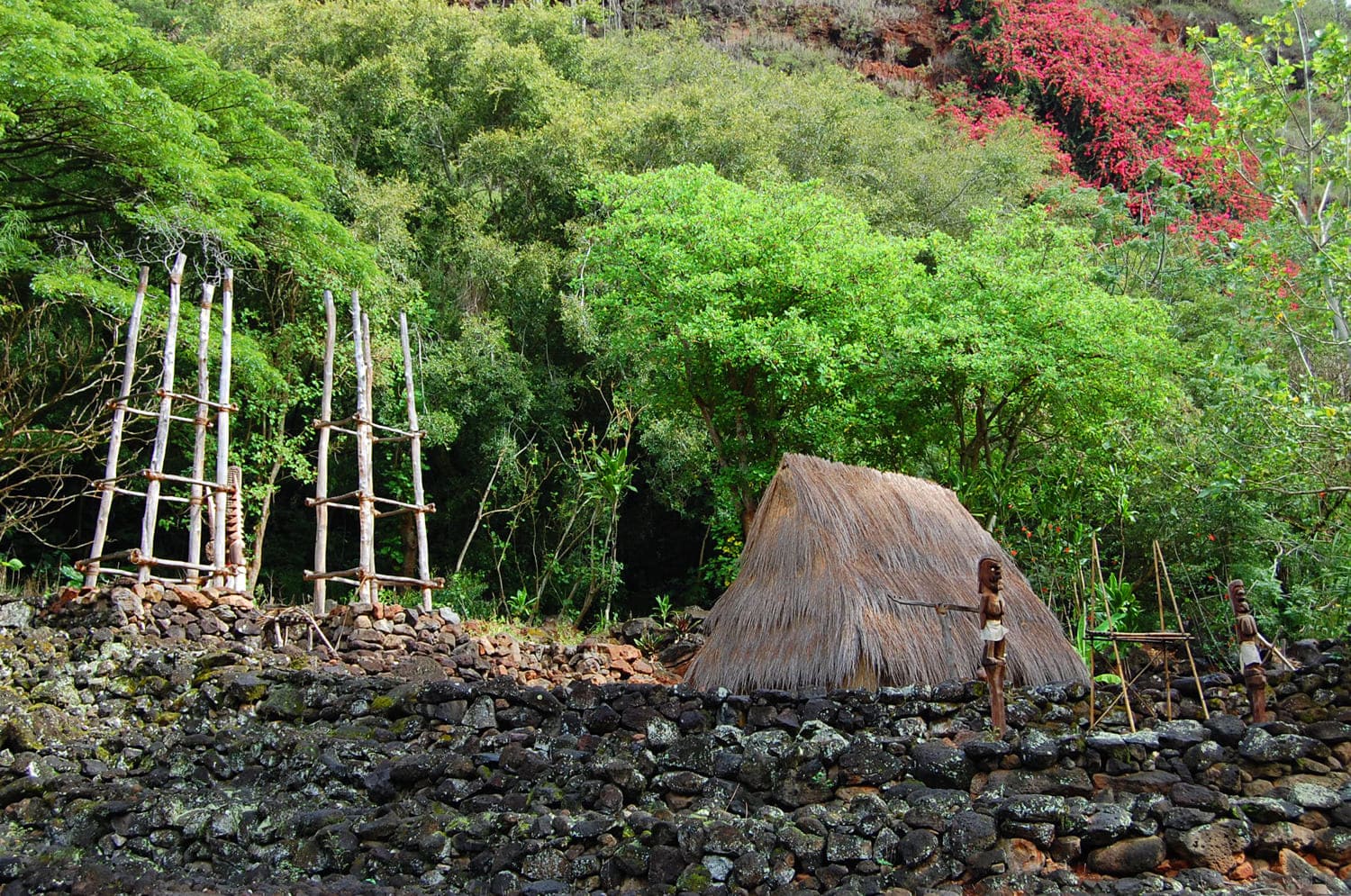
Hale o Lono Heiau
Hale o Lono Heiau is an ancient Hawaiian site near Makapuu on Oahu, with low stone remains, dry coastal scenery and cultural history connected with Lono.

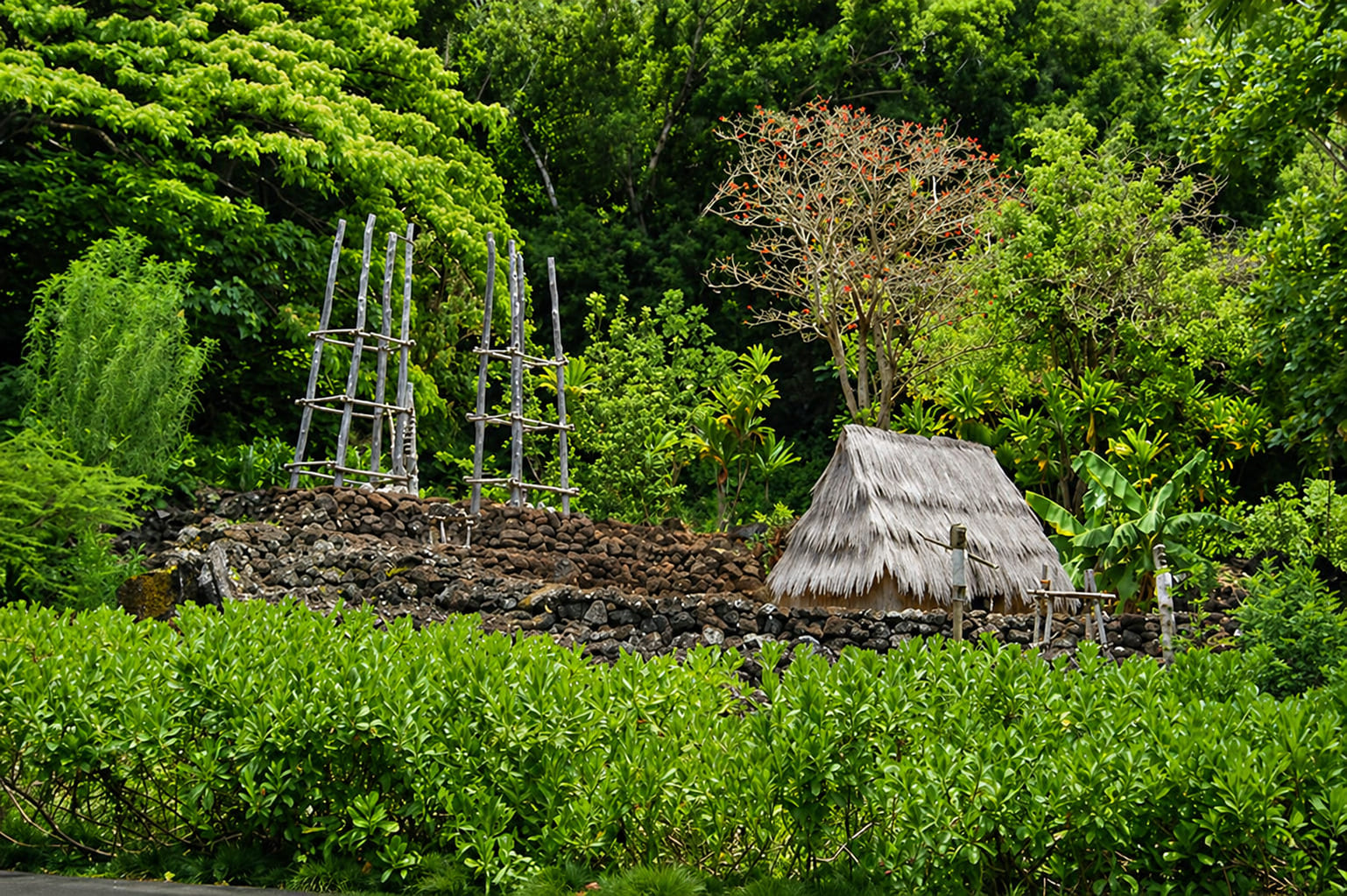
Oahu Ancient Site Guide
Oahu's ancient sites connect you with centuries of Hawaiian history, from heiau and royal locations to cultural landmarks that still hold deep significance today. These places offer a chance to see another side of the island, where stories of chiefs, traditions and daily life remain part of the landscape.
Ancient site directory
Find Oahu ancient sites, including historic Hawaiian places, cultural landmarks, sacred areas and important places connected to island history.
Hale o Lono Heiau is an ancient Hawaiian site near Makapuu on Oahu, with low stone remains, dry coastal scenery and cultural history connected with Lono.
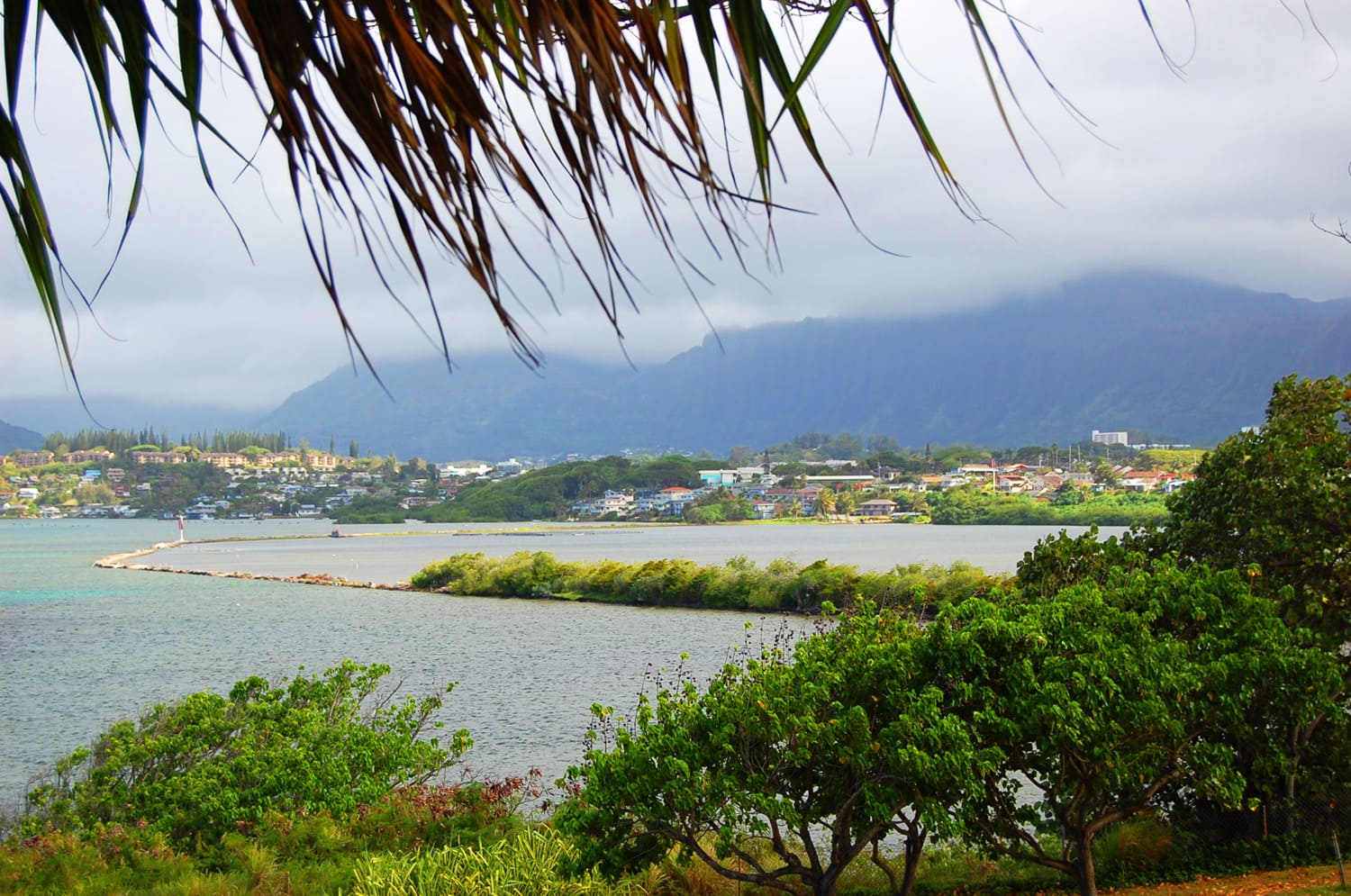
He'eia Fishpond is a traditional Hawaiian fishpond on Kaneohe Bay, known for its 88-acre pond, long stone wall, restoration work and windward Oahu cultural importance.
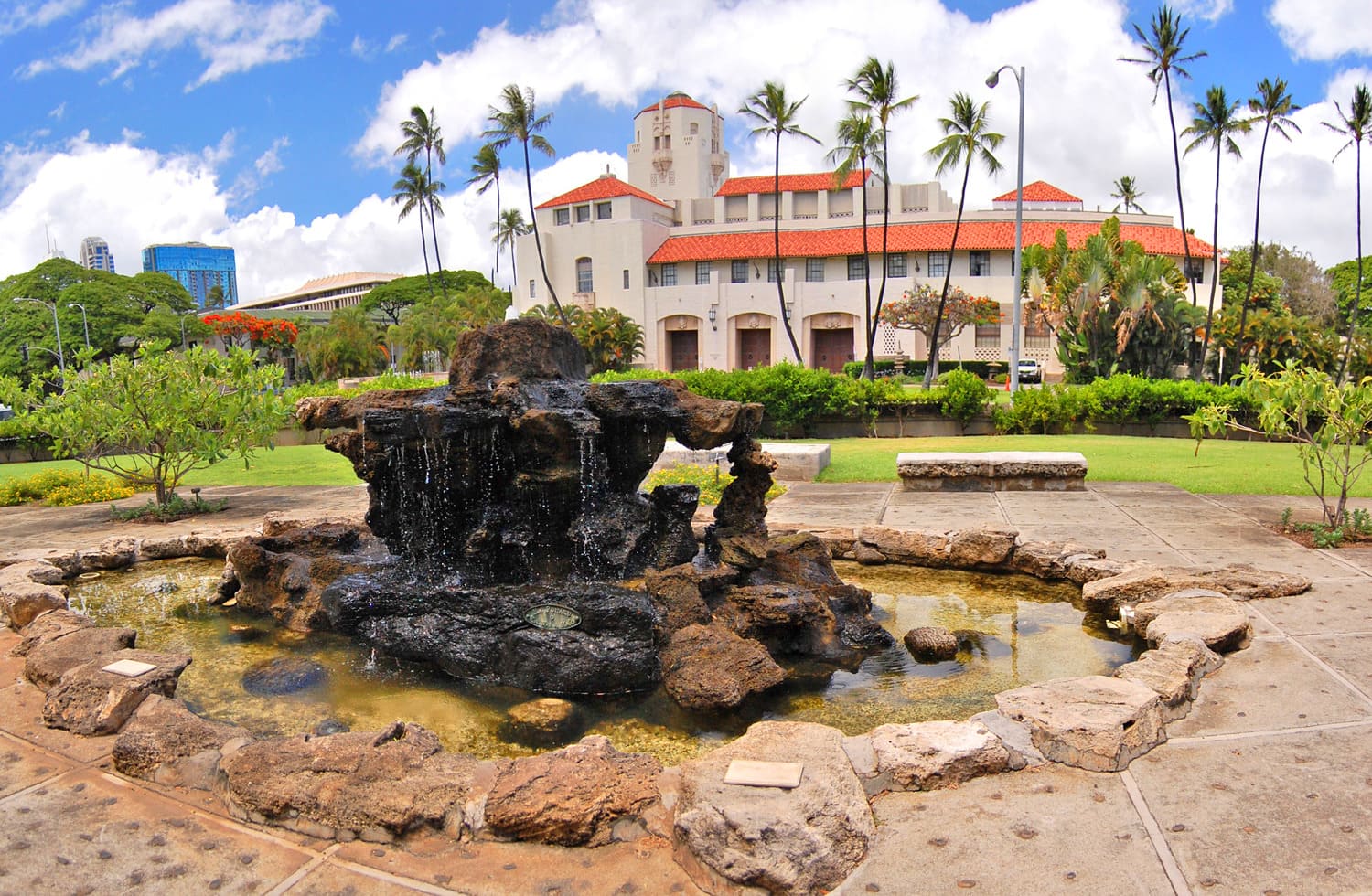
Ka Wai a Ha'o is a sacred spring site on the grounds of Kawaiahao Church in downtown Honolulu, honoring Chiefess Ha'o and the chiefly water source that gave the church its name.
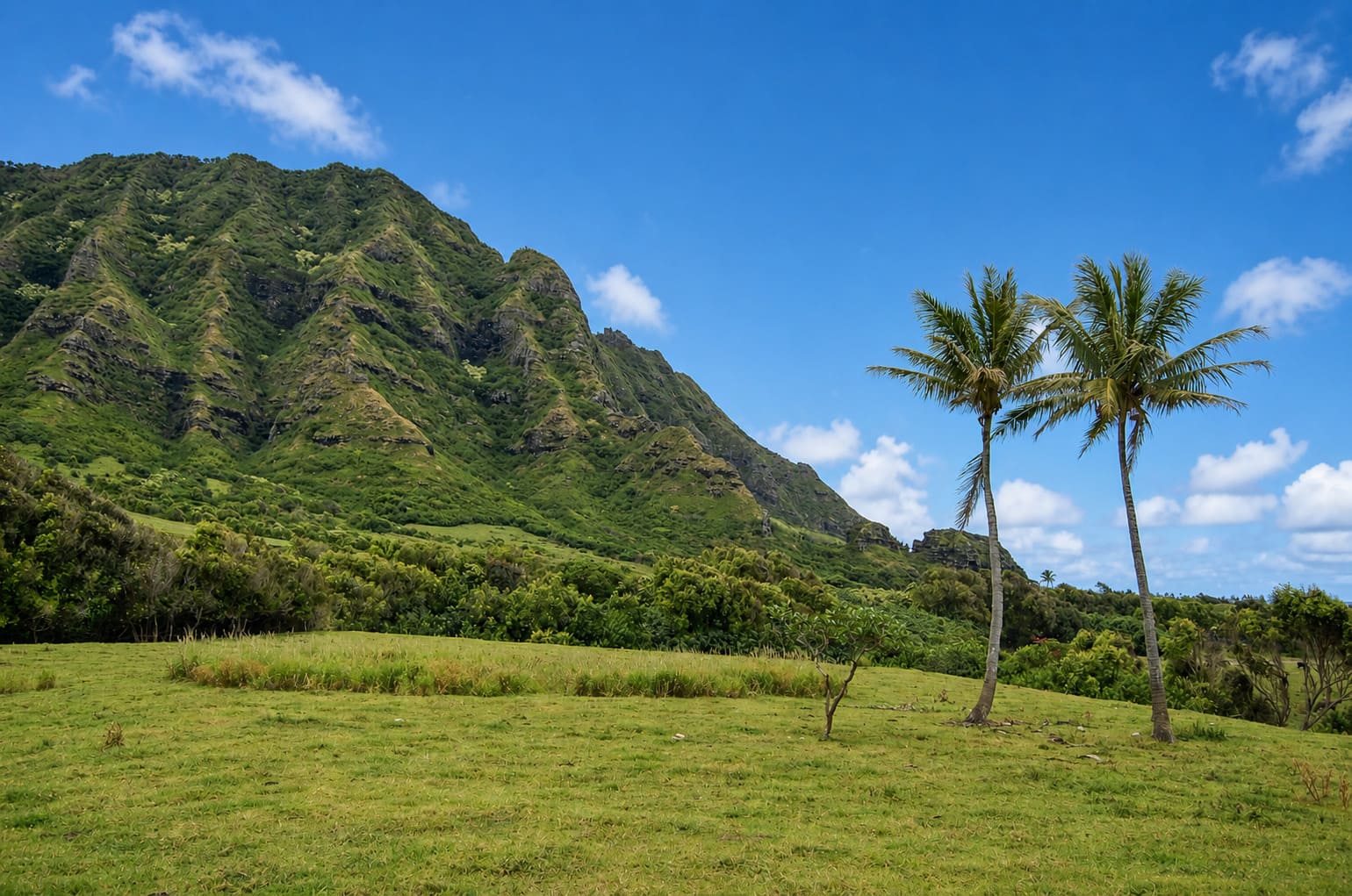
Ka'a'awa Valley is a sacred windward Oahu landscape at Kualoa Ranch, known for Koolau cliffs, royal history, valley legends, movie sites and guided ranch access.
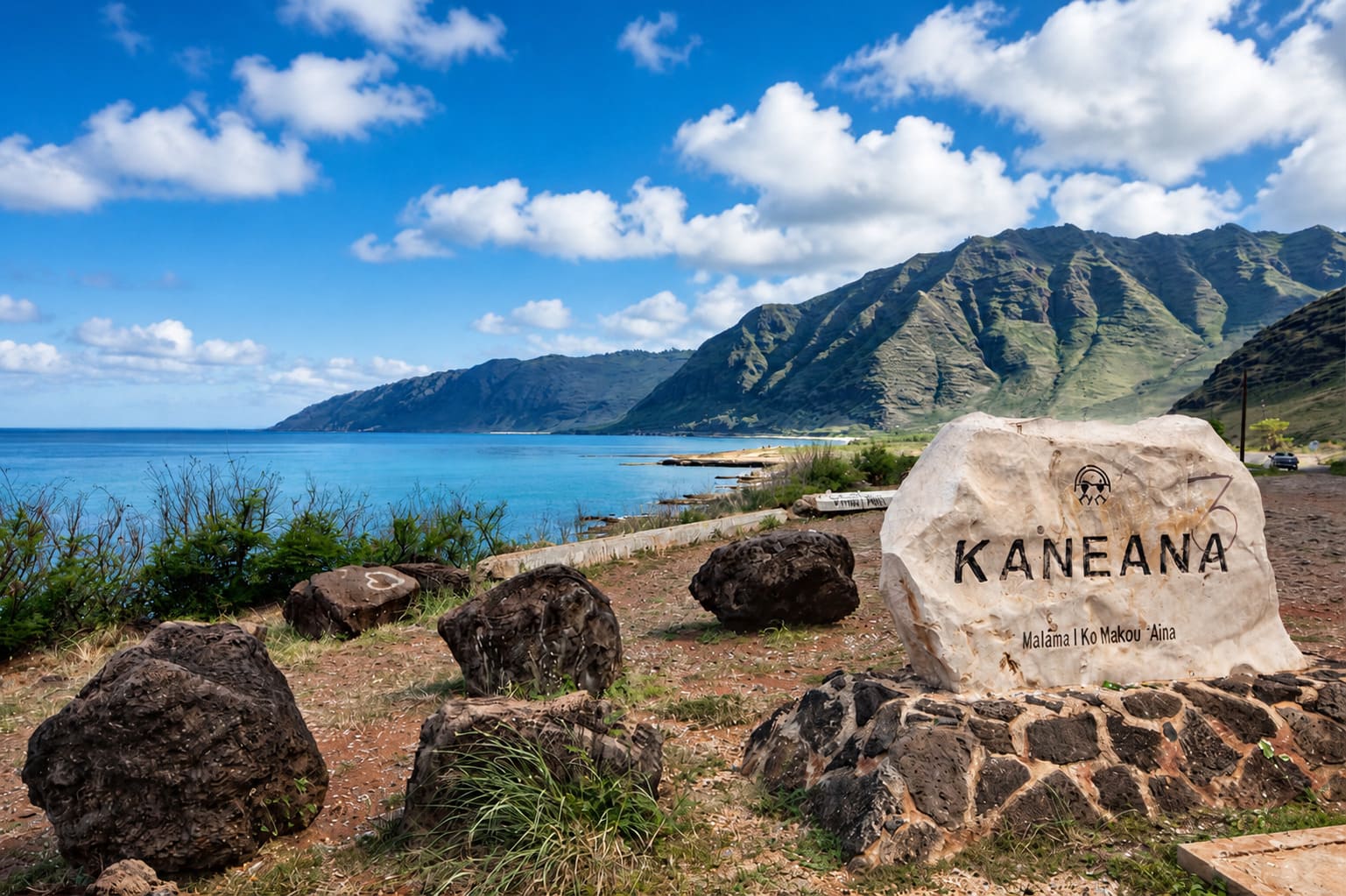
Kaneana Cave, also called Makua Cave, is a large sea cave on Oahu's west side near Makua Beach, known for Hawaiian legends, roadside access and a rugged leeward setting.
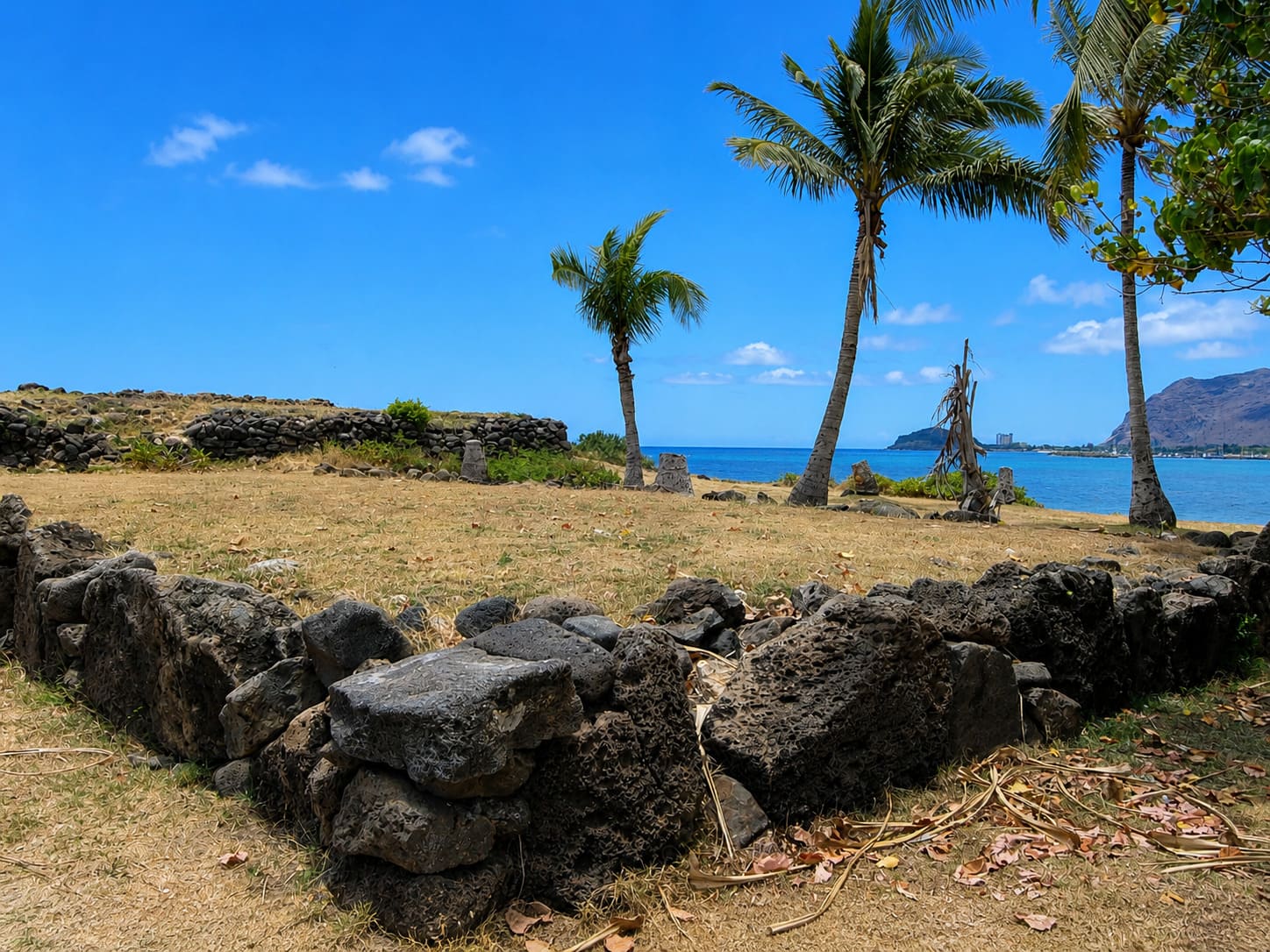
Ku'ilioloa Heiau is a sacred west Oahu site on Kane'ilio Point in Waianae, known for ocean views, three terraced platforms, navigation traditions and traveler-protection legends.
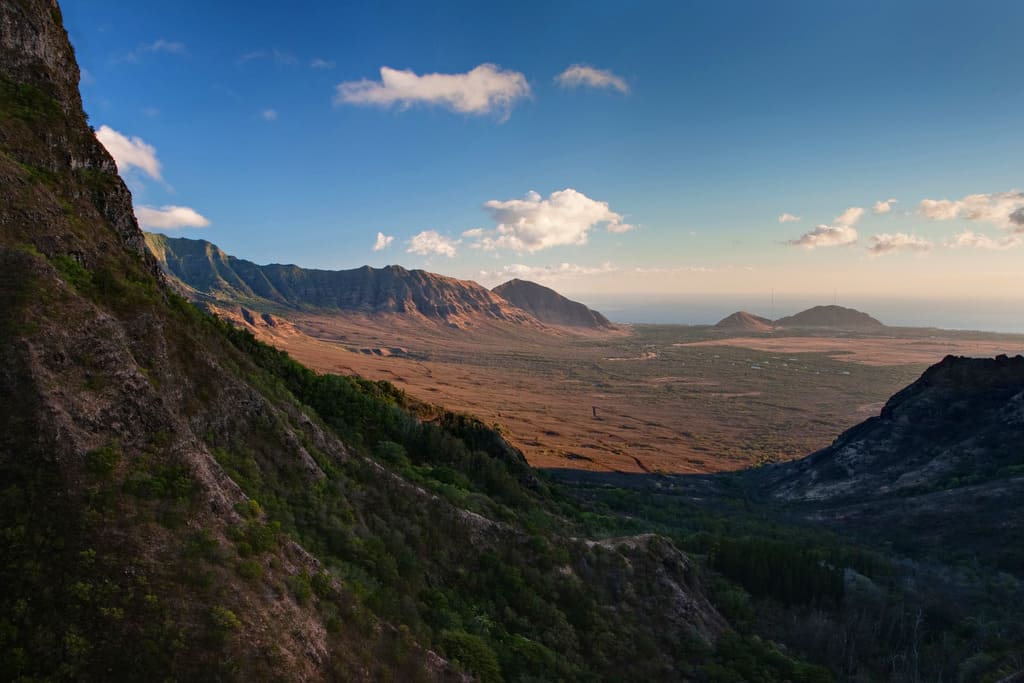
Lualualei Valley is Oahu's largest leeward coastal valley, with Waianae Mountain views, ancient volcanic origins, military history and Maili nearby.
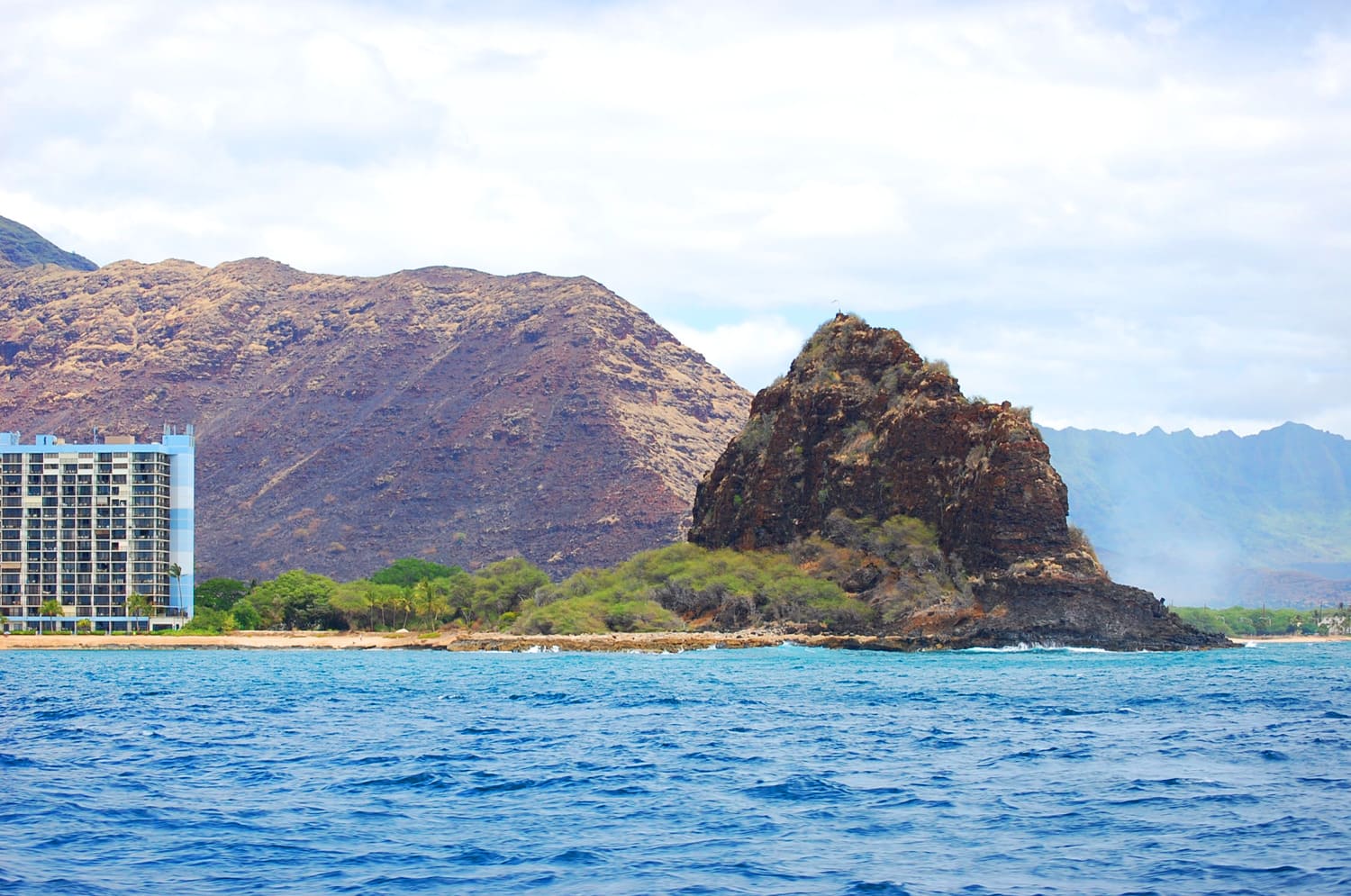
Mauna Lahilahi is a thin coastal mountain near Makaha on Oahu's leeward side, known for petroglyphs, Kane traditions, lookout history and open ocean views.
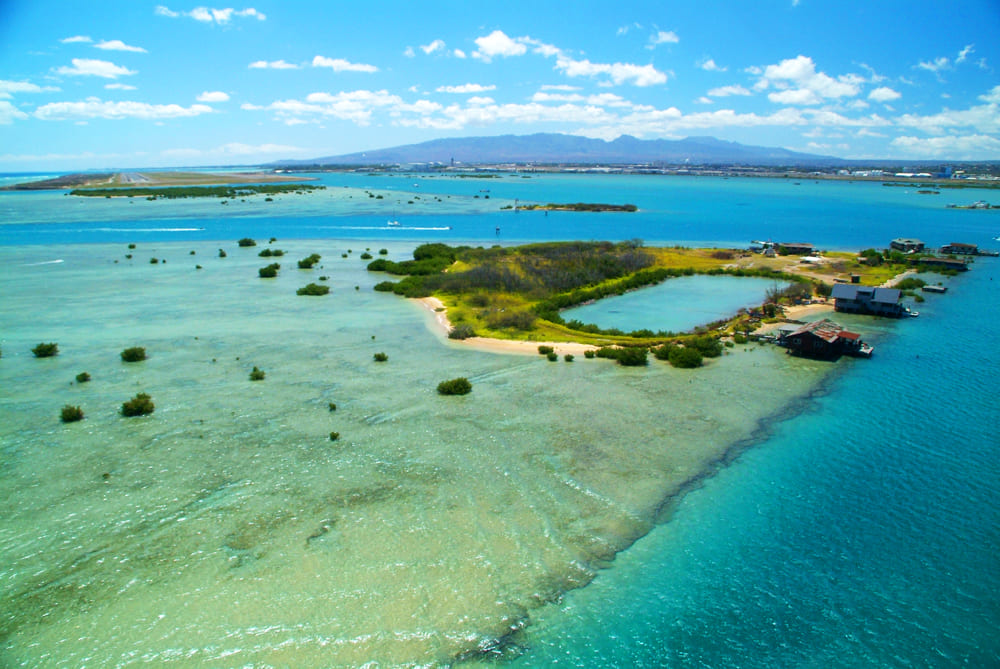
Mokauea Island is a small fishing island near Honolulu Harbor, known for Native Hawaiian fishing traditions, restoration work and quiet views across Keehi Lagoon.
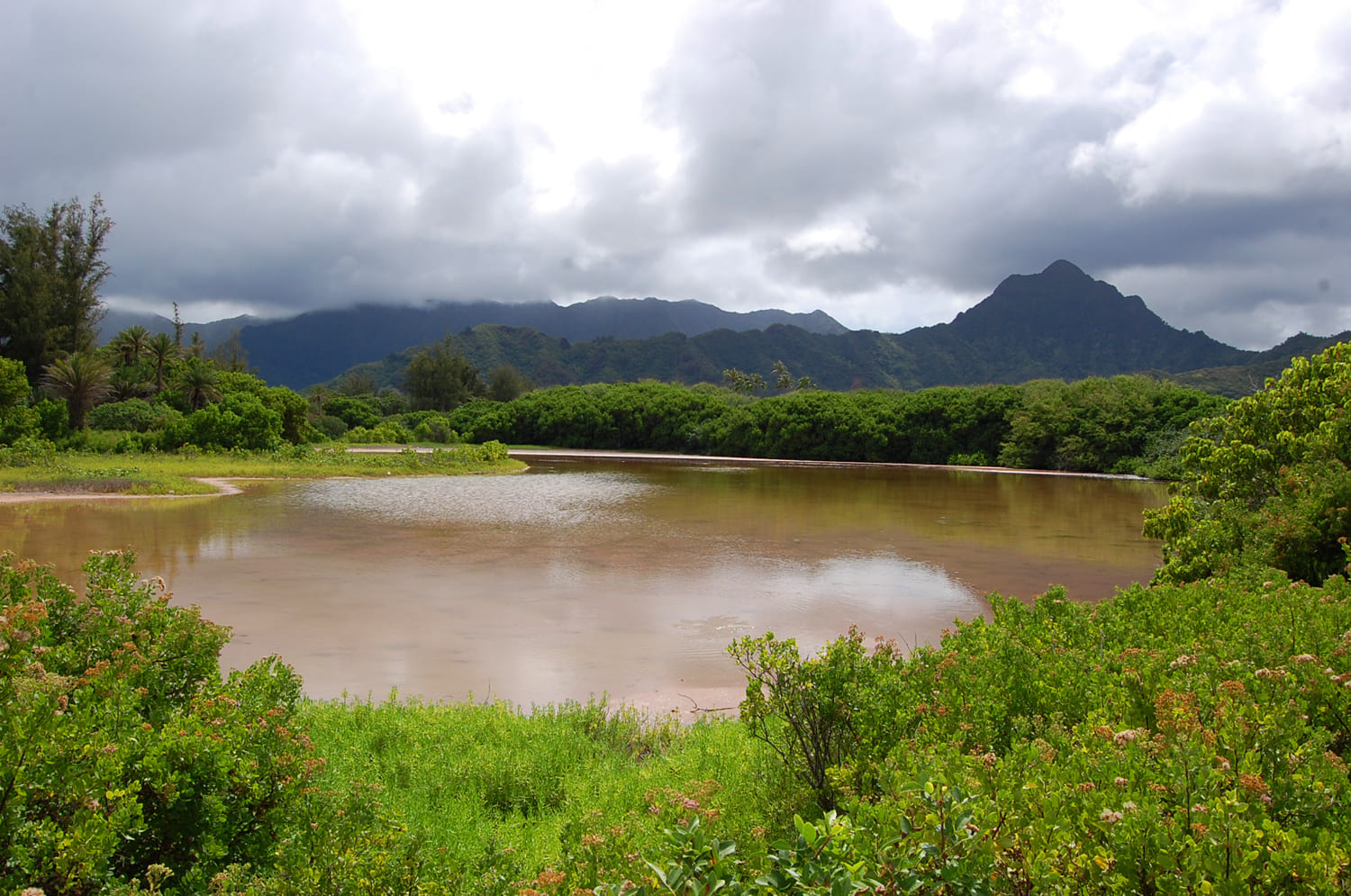
Moli'i and Apua Fishponds are ancient Hawaiian fishponds at Kualoa on Oahu's windward shore, with stone walls, mountain views and deep cultural history.
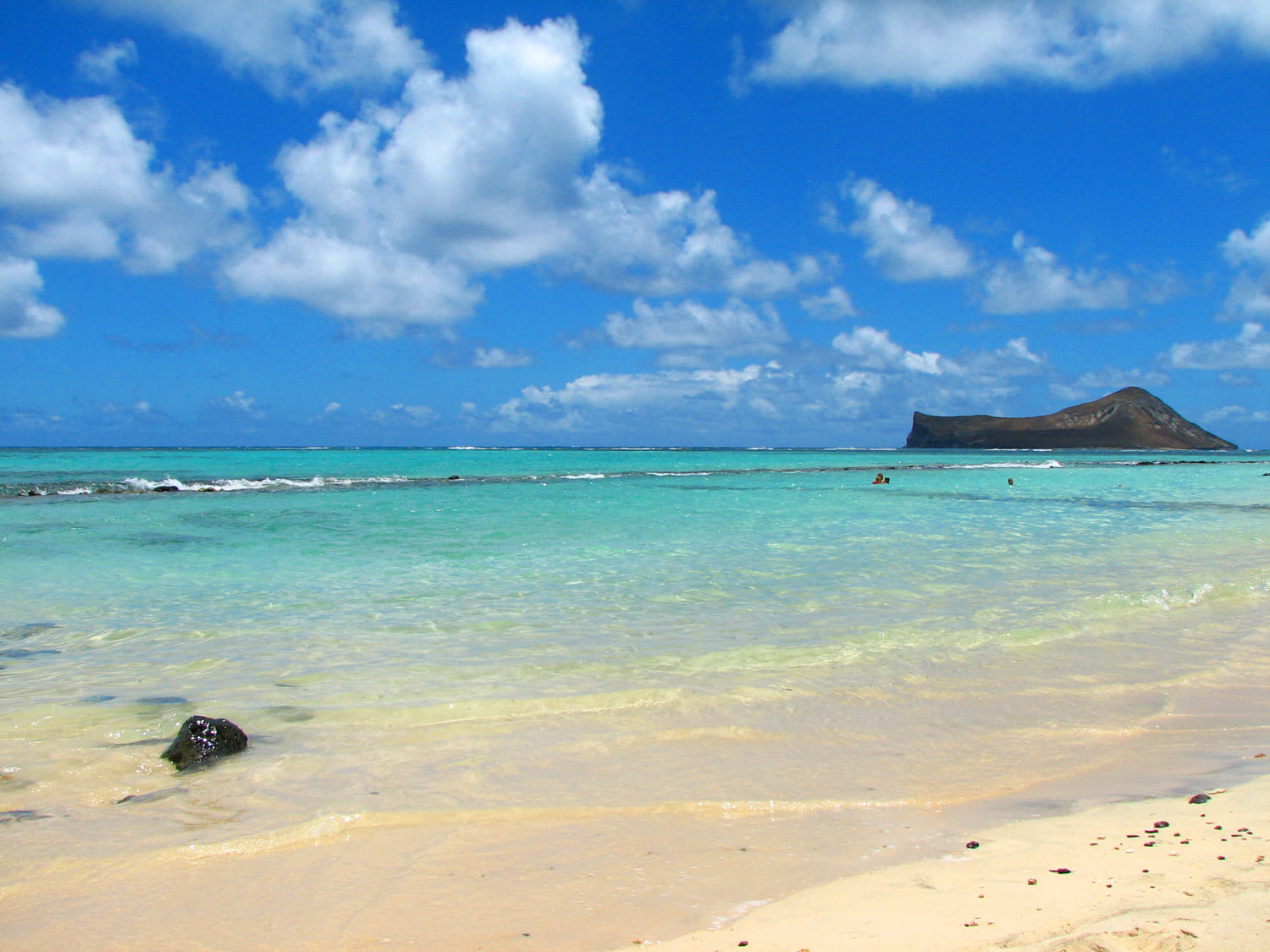
Pahonu Pond is an ancient Hawaiian fishpond near Waimanalo Bay, known for its turtle-related name, stone walls and quiet coastal setting on Oahu's windward shore.
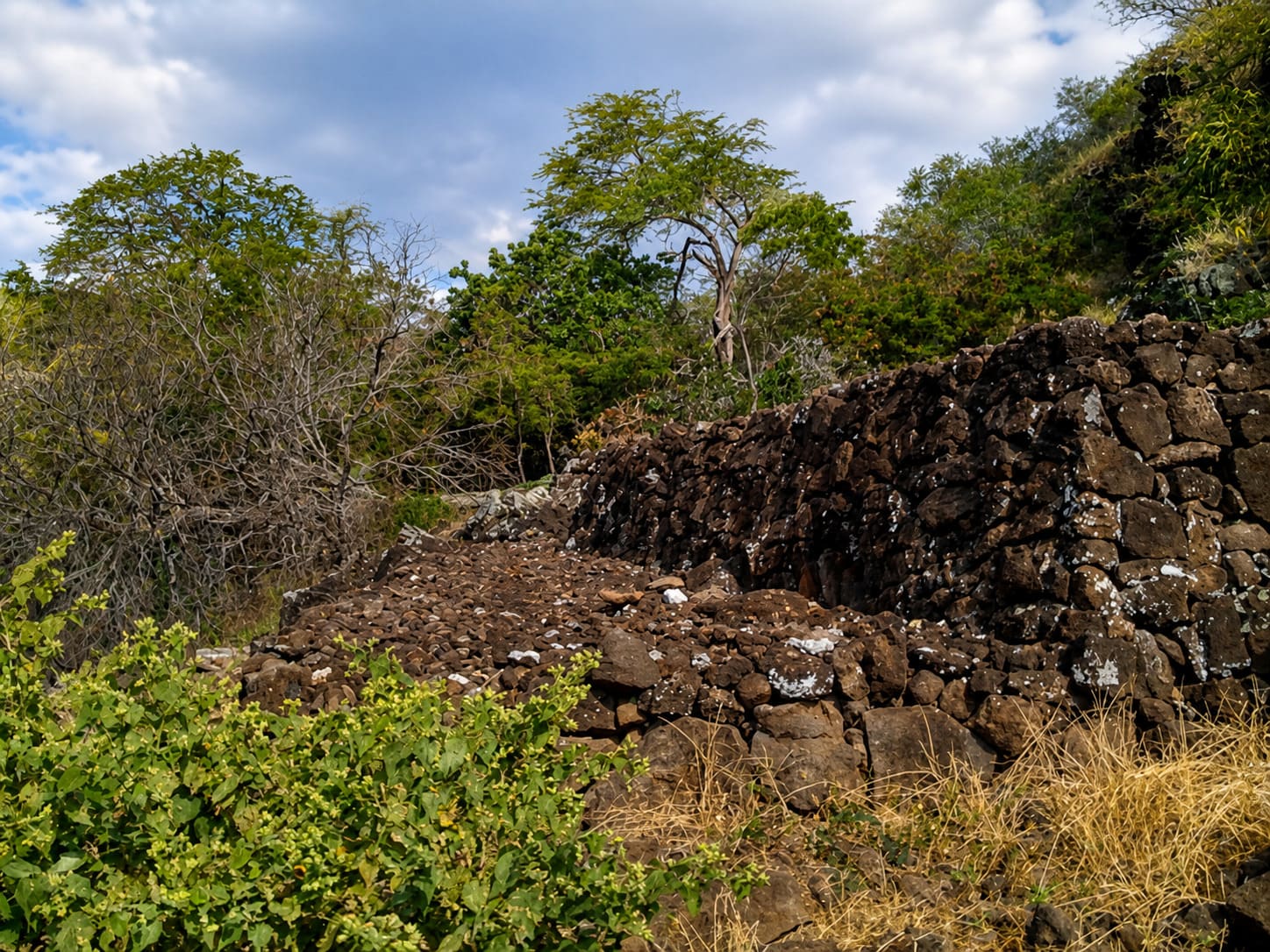
Pahua Heiau is an ancient Hawaiian temple site in Hawaii Kai, with restored stone platforms, dryland surroundings and views into Oahu's southeastern history.
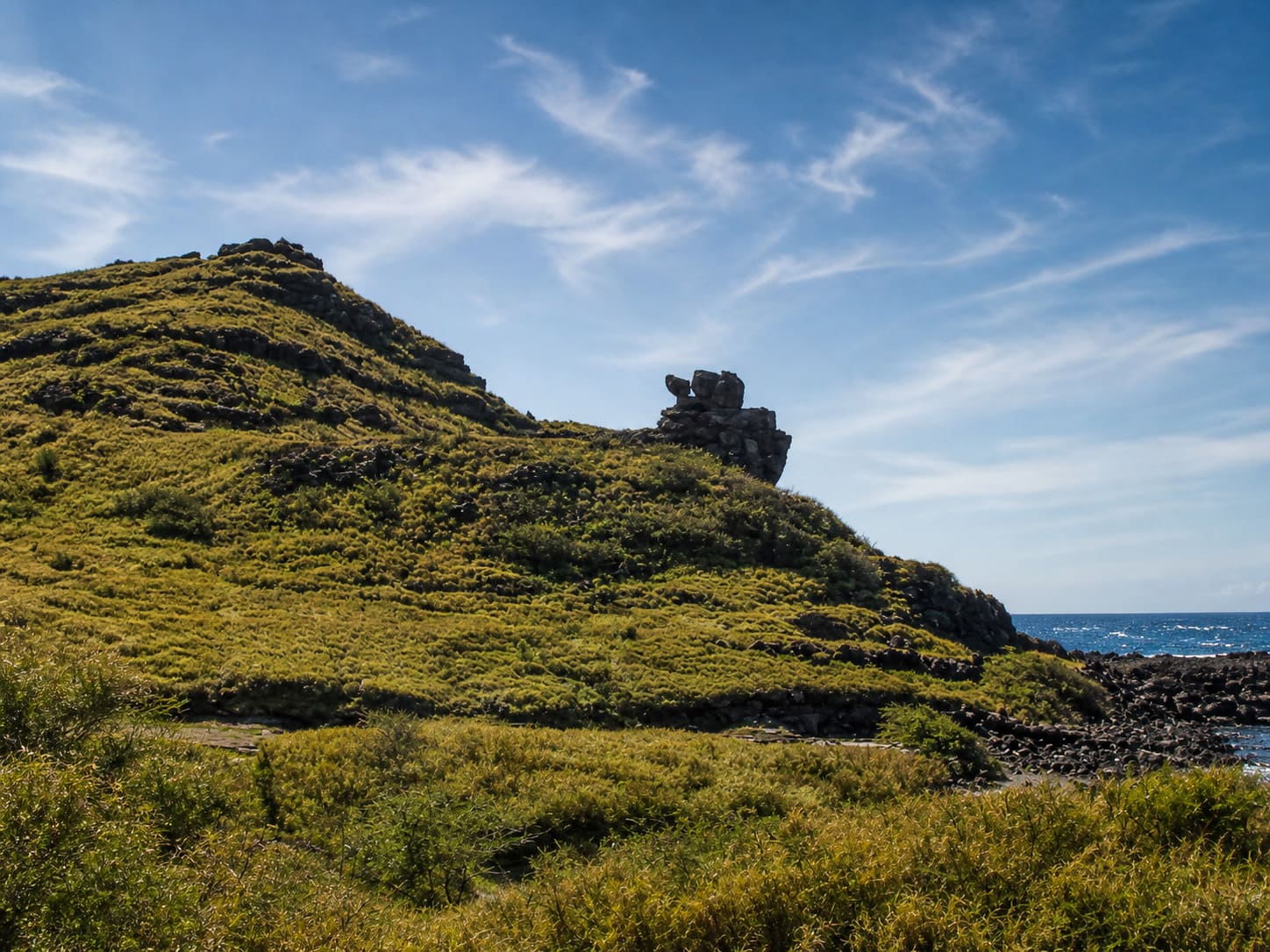
Pele's Chair, also called Kapaliokamoa, is a lava rock formation near Makapuu, known for Pele legends, ocean views and Oahu's young volcanic shoreline.
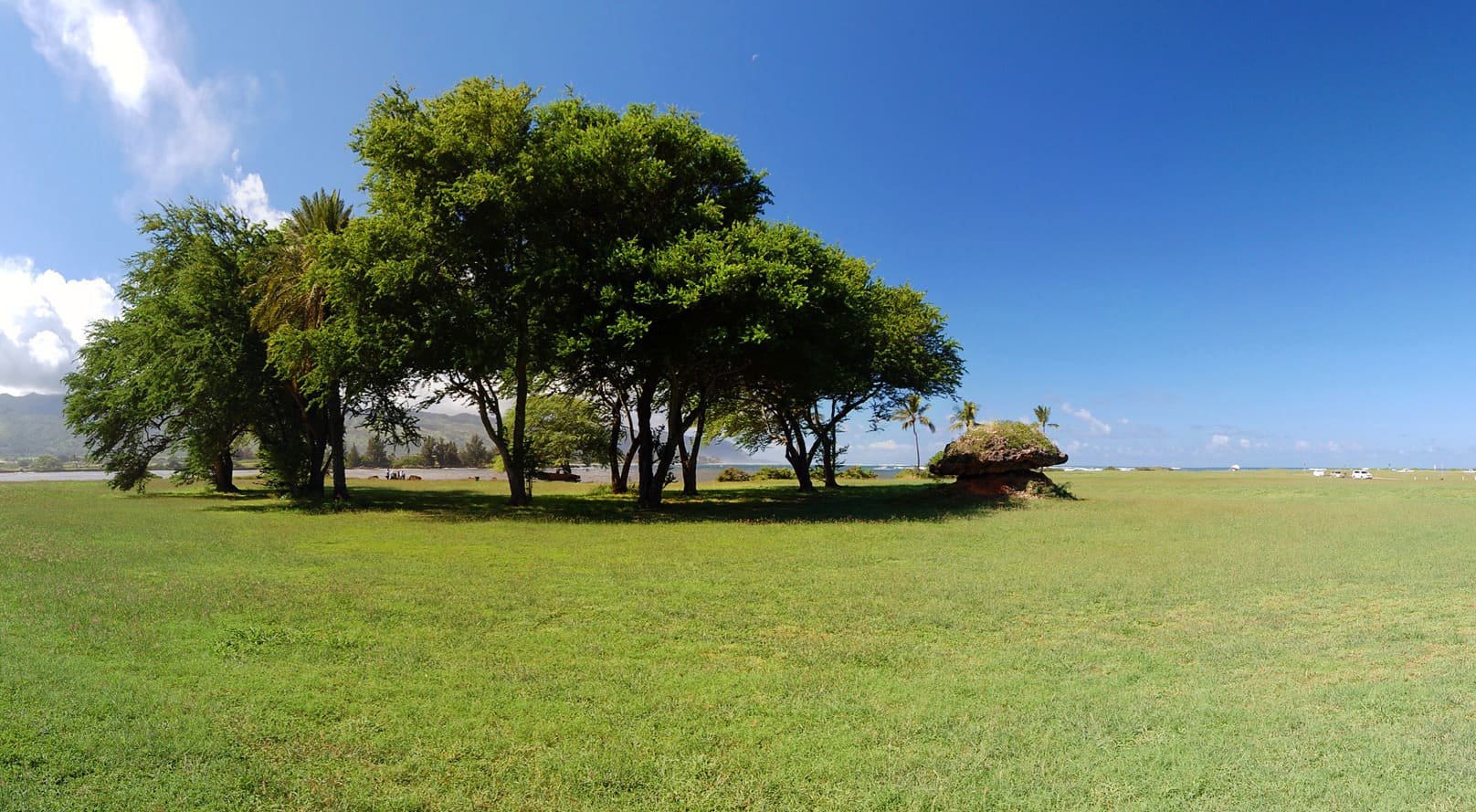
Pohaku Lanai is an Oahu ancient site with cultural meaning, stone features and a quiet setting that asks visitors to slow down and show respect.
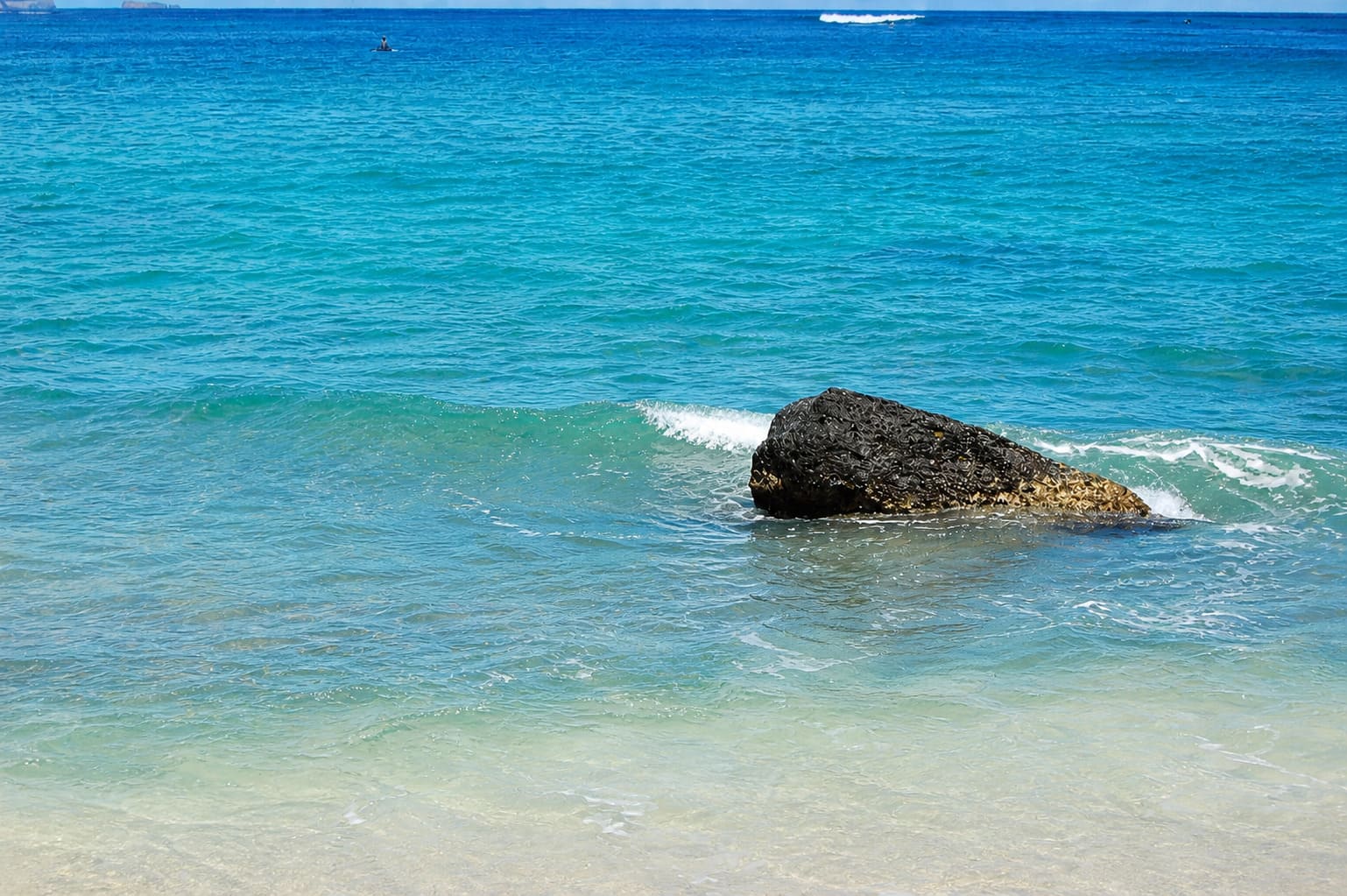
Pohaku Pa'akiki is a sacred lava rock at Kaupo Beach, tied to sweet potato farmers, awa offerings, Kamohoali'i and windward Oahu shoreline legend.
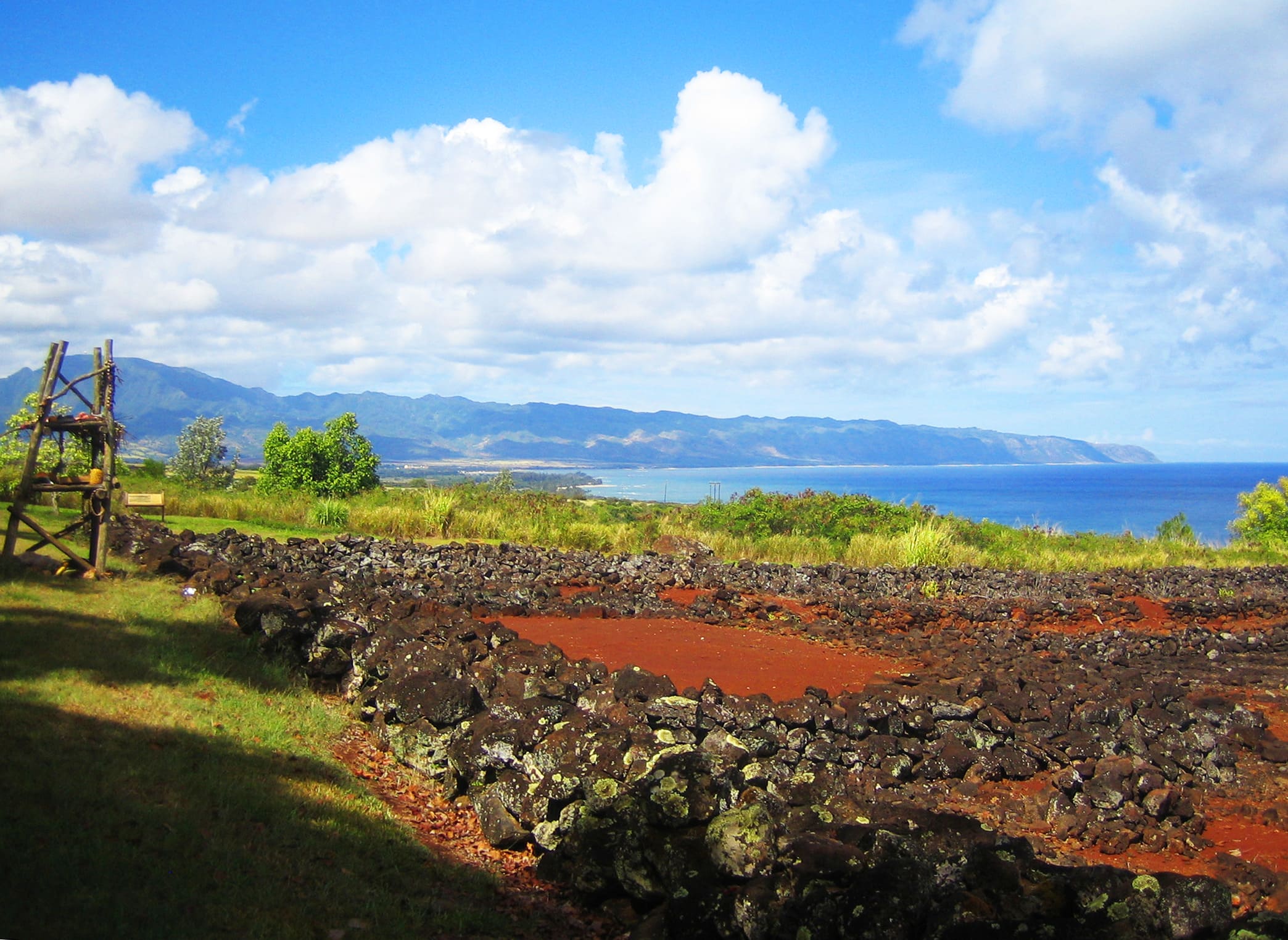
Pu'u o Mahuka Heiau is a large North Shore heiau above Waimea Bay, known for its stone terraces, cultural importance, ocean views and Pupukea setting.
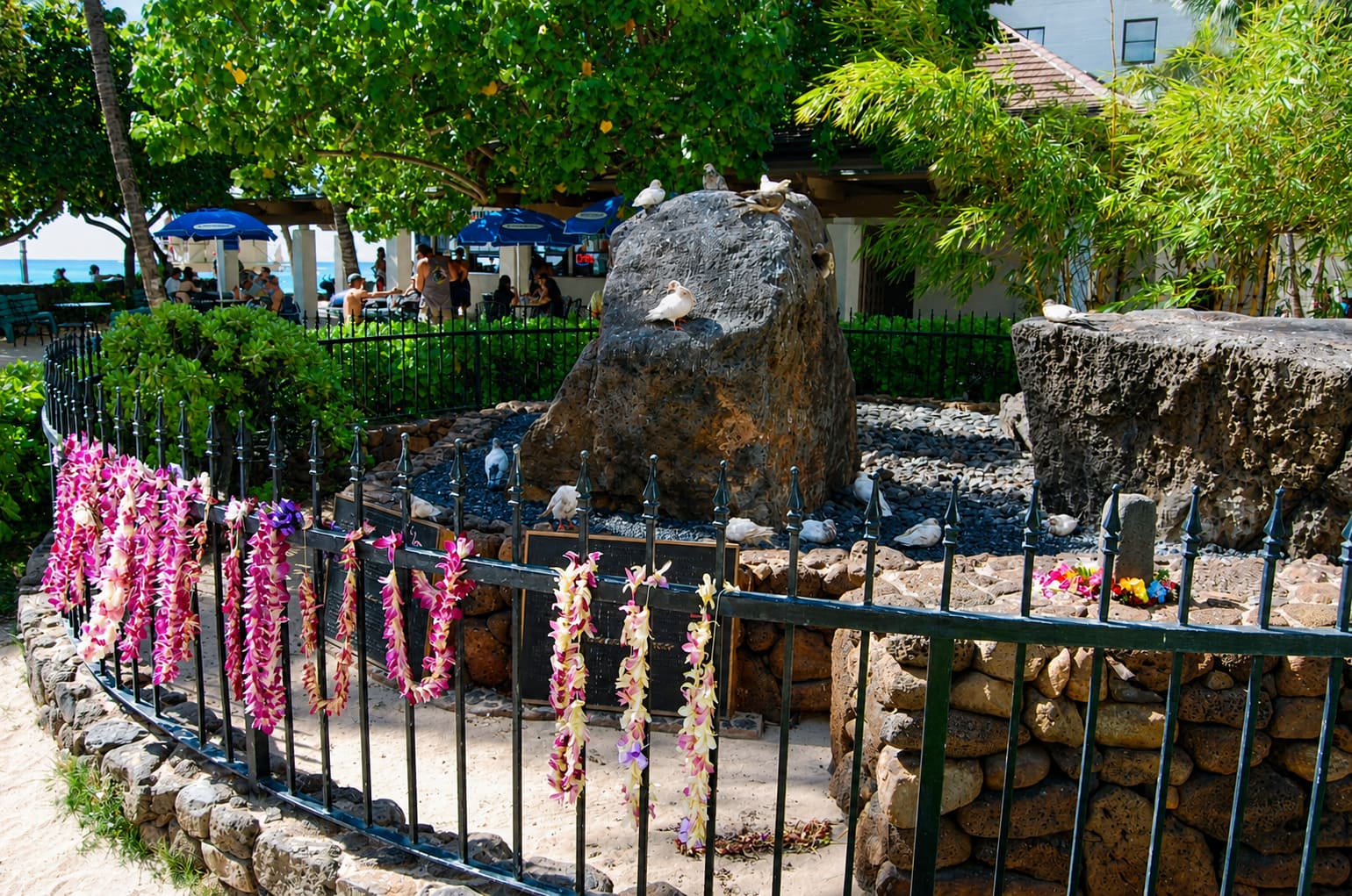
Stones of Kapaemahu in Waikiki mark a revered healing site connected with four mahu healers, Hawaiian tradition and the shoreline history of Kuhio Beach.
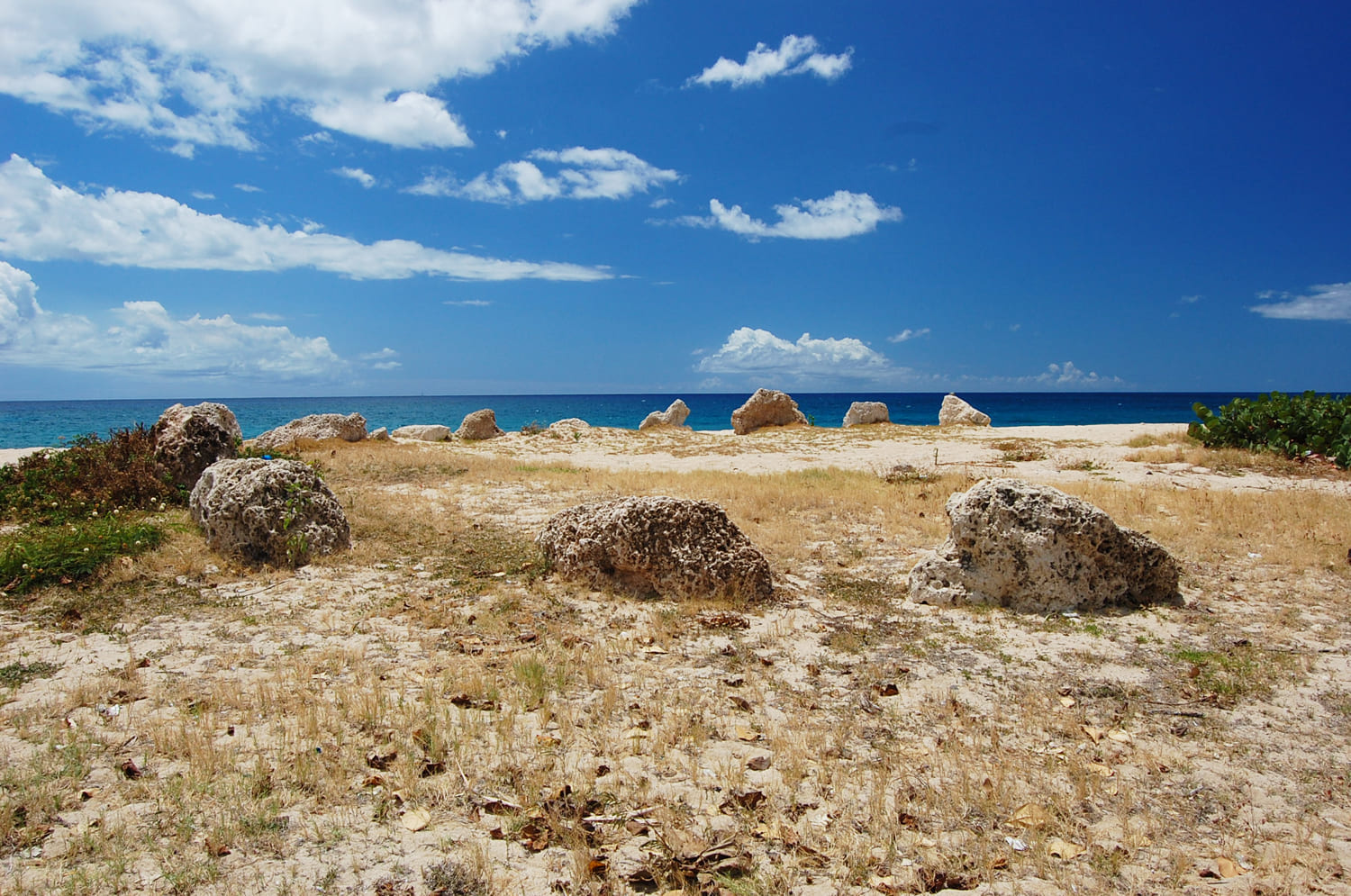
Ulehawa Historic Site is a leeward Oahu cultural site near Nanakuli and Maili, known for its west side setting, historic meaning and nearby beach parks.
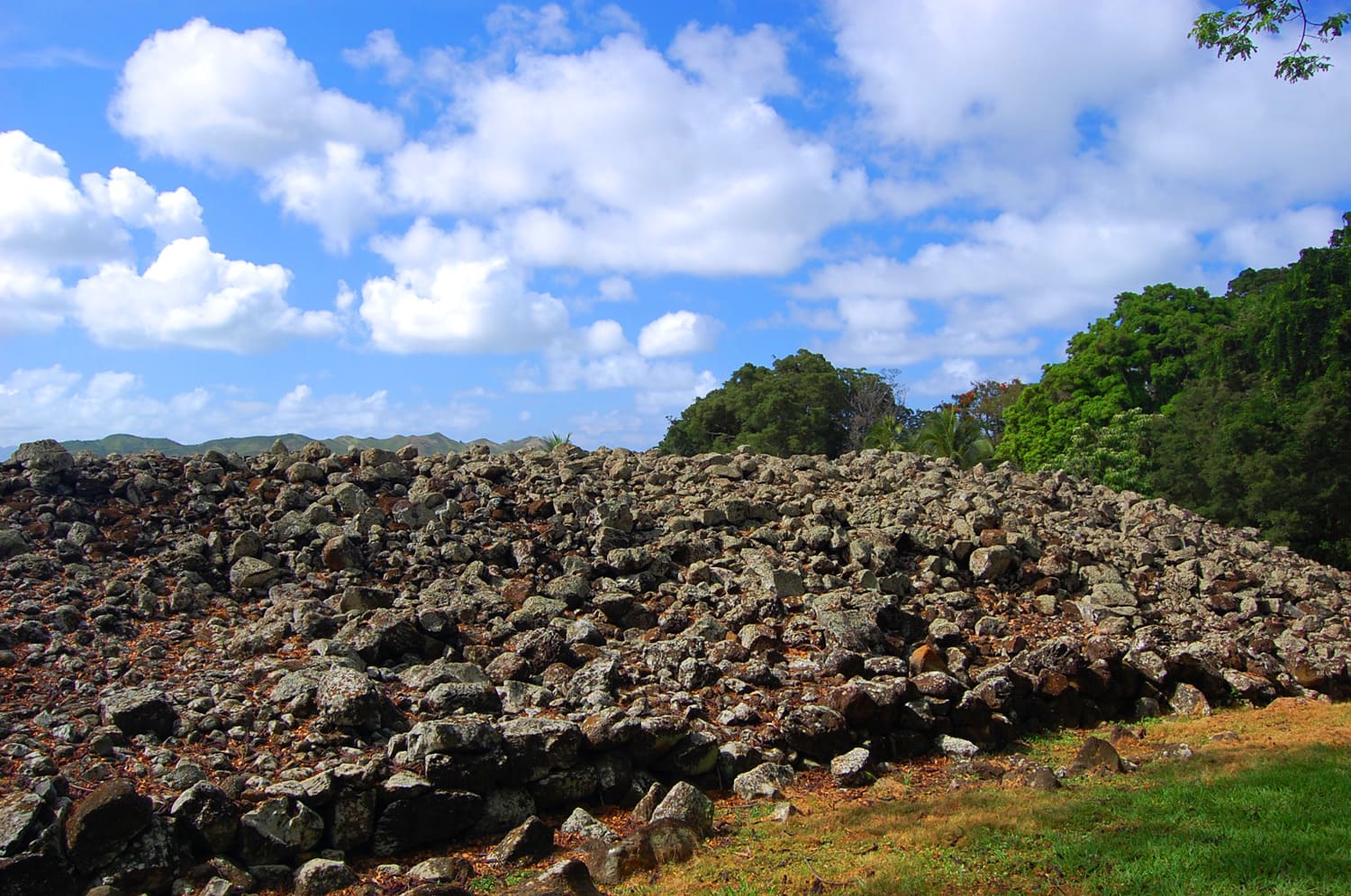
Ulupo Heiau is a massive stone heiau in Kailua on windward Oahu, known for its broad lava-rock platform, wetland setting and deep Hawaiian history.
Oahu ancient sites include heiau, fishponds, sacred stones, caves and cultural landmarks connected to Hawaiian history and island traditions.
Yes. These places help visitors understand Hawaiian culture, traditional land use, sacred spaces and the long history of communities across Oahu.
Some sites have viewing areas or marked access, but visitors should stay on paths, avoid touching or climbing on stones and treat each place with respect.
Visitors should read posted signs, avoid moving rocks, keep voices respectful and remember that many ancient sites remain culturally important today.
Many ancient sites are near beaches, valleys, parks and historic districts, making them easy to include in a broader Oahu sightseeing day.