
Koa Tree Overview
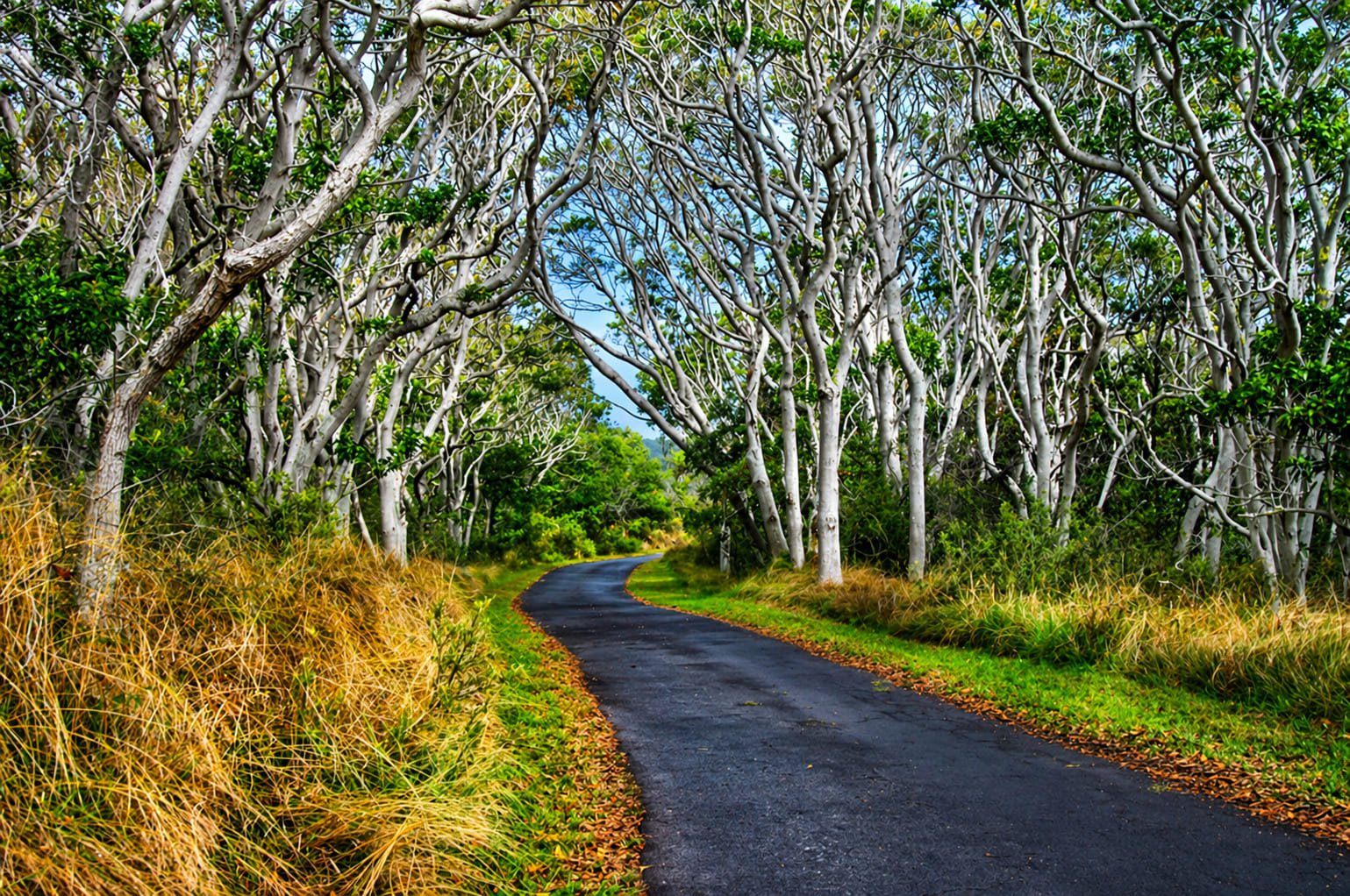
The koa tree is one of Hawaii's most important native trees. It grows fast, can reach about 100 feet tall and often stands out in upland forests with a strong, graceful form. Koa also appears in landscaped gardens, but its deeper story belongs to Hawaii's native forest, where it provides habitat and helps define the look of higher-elevation landscapes.
Koa wood is one of the tree's most valued features. Its color ranges from golden brown to deep reddish brown, often with beautiful grain patterns. The wood is strong, durable and comparable in weight and strength to black walnut. Because of these qualities, koa became one of the most prized woods in Hawaii.
Koa Wood and Hawaiian Uses
Ancient Hawaiians used koa wood for canoes, paddles, bowls, tools and furnishings. For ocean voyaging and daily life, a strong tree mattered. Koa could provide the size and strength needed for large canoe hulls, while smaller pieces could become practical tools and crafted items.
Koa's cultural importance sets it apart from many introduced ornamental trees, such as the jacaranda tree or golden shower tree. It also differs from canoe food plants such as breadfruit, coconut and banana, which were brought for food and everyday survival.
Koa Trees in Hawaii Forests
In the forest, koa supports native birds, insects and plant communities. Its presence also matters for watershed health, especially in upland areas where forests help catch moisture and protect soil. A healthy koa forest feels very different from a coastal grove of hala or a town square shaded by a banyan tree.
Today, koa remains a symbol of strength, craftsmanship and native Hawaiian forest life. Its wood is still admired, but living koa trees are just as important for habitat, conservation and the character of Hawaii's mountain landscapes.


