
Molokai Travel Guide and Visitor Information
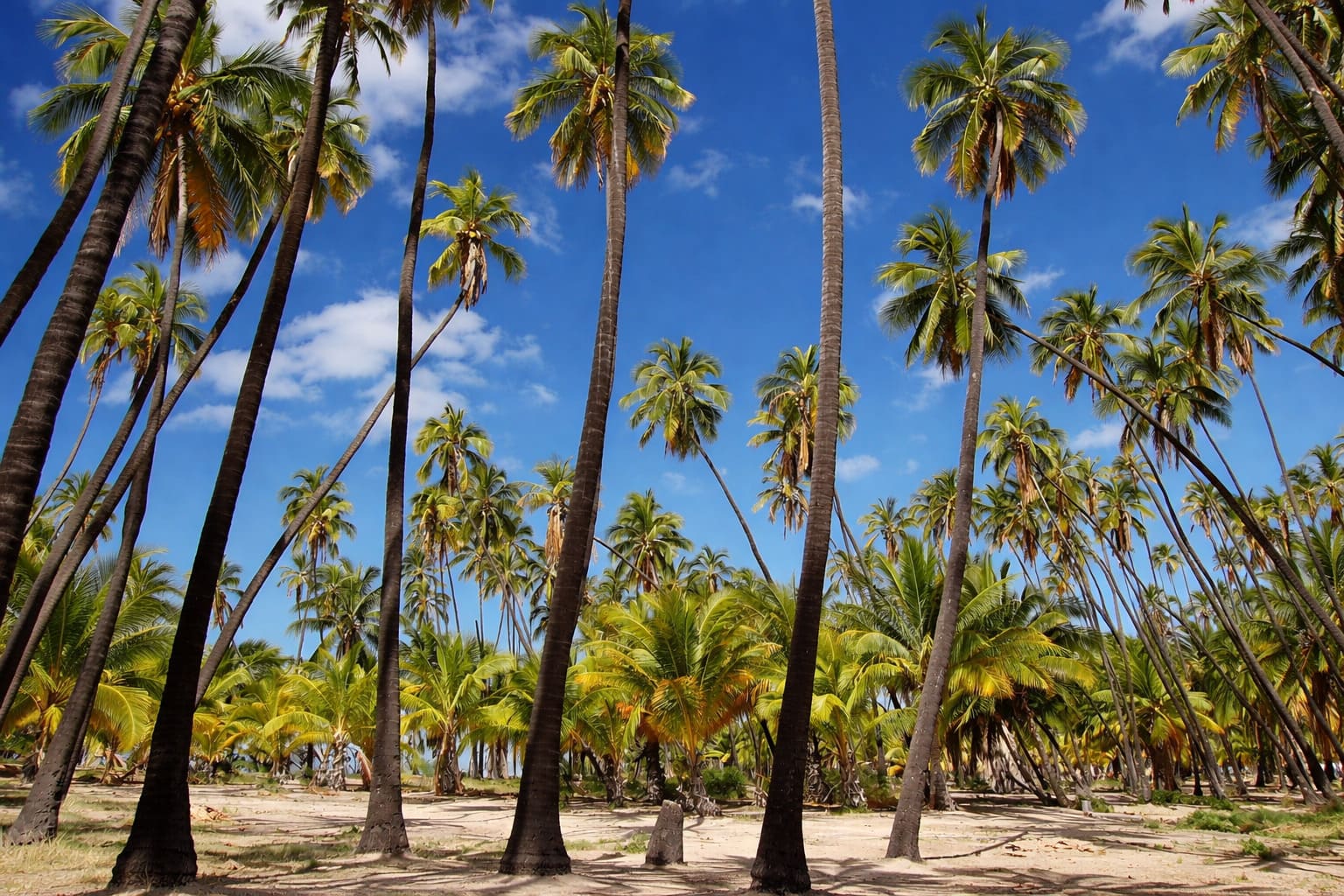
Aloha and welcome to Molokai, also known as “The Friendly Isle” or “The Most Hawaiian Isle.” If you are looking for simplicity, quiet beauty and pristine beaches, Molokai is your island. You won't find traffic lights, tall buildings, chain stores or night clubs here. Molokai is a peaceful island destination with awe-inspiring landscapes.
Geography and Climate
Molokai is 38 miles (61 km) long and just 10 miles (16 km) wide, so no point on the island is more than 5 miles (8 km) away from the ocean. The island's highest mountain is Kamakou, rising 4,961 feet (1,512 m). Molokai's west end is dry and covered by kiawe forests, while the east end and north shore is lush and has rainforests, waterfalls and the highest sea cliffs in the world, some of which rise over 3,000 feet (914 m). Stretching for 28 miles (45 km) along Molokai's south shore is the longest barrier reef in Hawaii and the only barrier reef north of Australia. Also located along the south shore are over 60 ancient Hawaiian fishponds, built 700 to 800 years ago.
Towns
The main town of Kaunakakai on Molokai's south shore is the island's primary commercial center and home to the Kaunakakai Wharf, the longest wharf in Hawaii. Maunaloa, located on the west side, is a small plantation-era town where visitors can enjoy a slower pace, local character and scenic surroundings.
Beaches
Molokai is known for its many uncrowded beaches, including Papohaku Beach, one of the longest white-sand beaches in Hawaii. Other good swimming beaches when the ocean is calm include Dixie Maru Cove, Murphy's Beach and Sandy Beach.
Kalaupapa
One of Molokai's most meaningful historic places is Kalaupapa, the former Hansen's disease settlement on the island's north shore. Isolated by towering sea cliffs and the ocean, Kalaupapa tells an important story of hardship, compassion and faith. The site is also closely associated with Saint Damien, whose work there became known around the world.
What Makes Molokai Unique?
Molokai is for travelers who value simplicity, open space and authenticity. There are no shopping malls, high-rise resorts or busy nightlife districts here. Instead, the island offers quiet beaches, country roads, local communities and a way of life that feels rooted in the past. Molokai is an ideal place to slow down, reconnect with nature and experience a more traditional side of Hawaii.


