Kula, Maui
Kula is a small community in upcountry Maui, situated 3,000 feet (914 m) above sea level. As one of Maui's prime agricultural regions and source of farm produce, Kula grows vegetables using the dry-farming method. Some of the agricultural products of Kula include the famed sweet Maui onion, herbs, cabbages, lettuce, potatoes, strawberries and tomatoes.
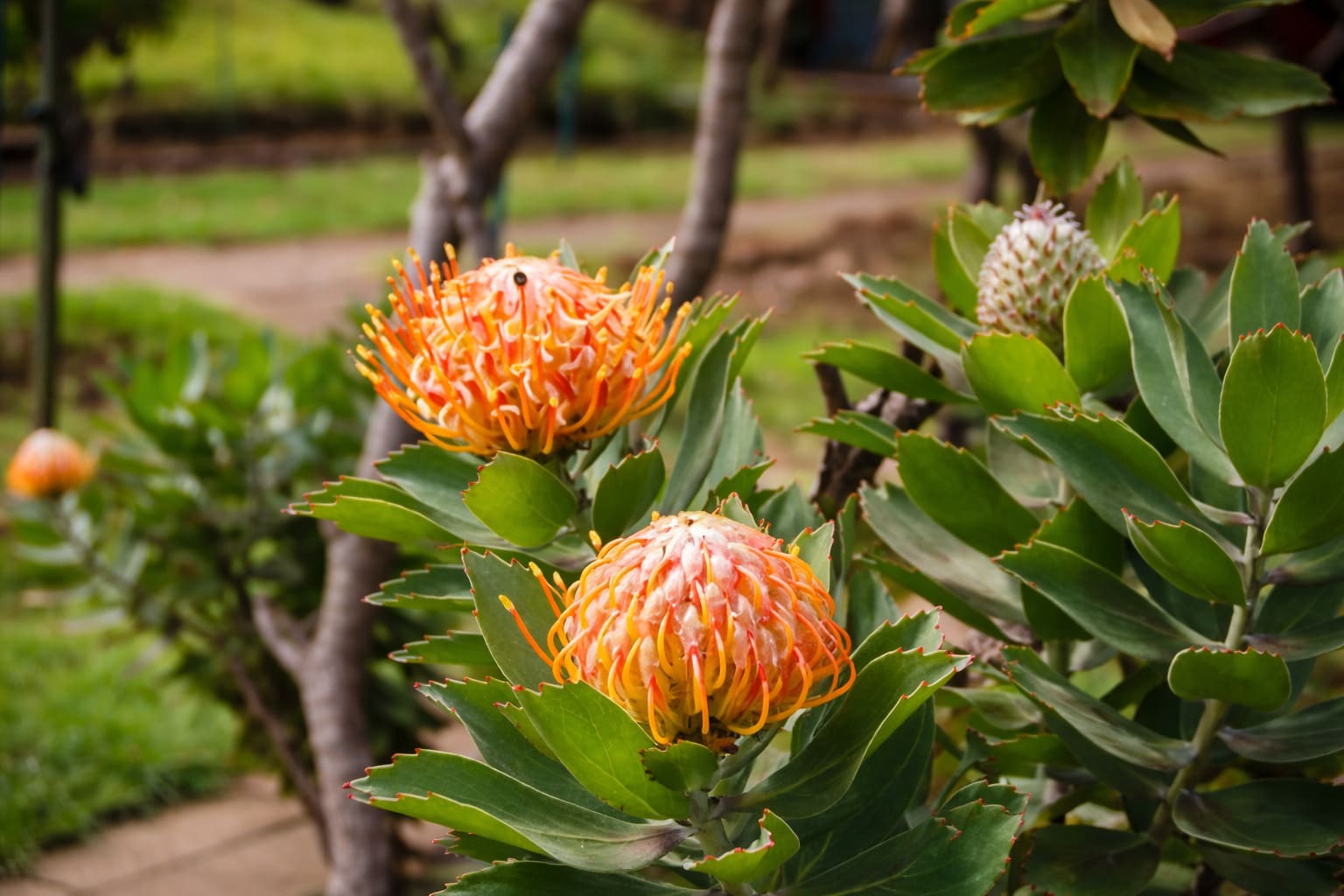
Kula, which means “open meadows” in the Hawaiian language, also boasts botanical gardens, including the Ali'i Kula Lavender Farm and the Enchanting Floral Gardens. Some of the commercially grown flowers in Kula are carnations, proteas, orchids and hibiscus. Ranching traditions, especially in slopes high above the residential areas, are also strong in Kula.
A historical landmark in Kula is the Holy Ghost Catholic Church, located at 4300 Lower Kula Road. The historical octagon-shaped church was built by Portuguese plantation workers in the late 1800s and was placed on the National Register of Historic Places in 1983.
Key Features
Reviews
Reviews and Ratings
Visitor Reviews
Read visitor comments for Kula. These comments do not include star ratings, so they are not included in the average rating.
Been Here? Add your Review
Jane Guilfoy
Wed Jul 13, 2011
Map
Location, Parking and Directions
Kula is located in Upcountry Maui, above the central valley and below the higher slopes of Haleakala. It sits along and near Kula Highway, with roads leading toward Pukalani, Makawao, Keokea and the Haleakala summit route.
Photos
Kula Photos
Photos of Kula show Upcountry Maui roads, farms, garden scenery, Haleakala slopes, misty mountain views, pastureland and rural landscapes above the coast.